
Clogged drains are one of the most common plumbing problems homeowners face. They can cause slow drainage, unpleasant odors, and even costly damage if left untreated. At All County Sewer & Drain, we see these issues daily, and the good news is that many are preventable. Understanding what causes drain clogs is the first step in protecting your home.
Grease and Cooking Oils
One of the leading causes of kitchen drain clogs is grease. While it may seem harmless to pour leftover cooking oils or bacon fat down the sink, these substances solidify as they cool, coating the inside of your pipes. Over time, this buildup can restrict water flow, leading to slow drains and major blockages. Avoid pouring grease down the sink—dispose of it in a container and throw it in the trash instead.
Hair: A Bathroom Drain Culprit
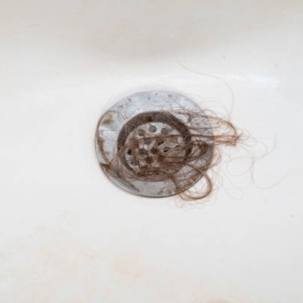
Hair might seem harmless, but it’s a major contributor to bathroom clogs. Strands of hair can combine with soap residue, toothpaste, and other debris to form dense clumps that block water flow. Showers and bathtub drains are especially vulnerable. Using drain screens or strainers can capture hair before it enters your pipes, saving you from expensive repairs.
Wipes and “Flushable” Products
Many products claim to be flushable, but in reality, they do not break down like toilet paper. Baby wipes, cleaning wipes, and even some feminine hygiene products can accumulate in pipes and create stubborn clogs. These blockages can lead to slow-draining toilets and potential sewer backups. The safest rule is to dispose of wipes and similar products in the trash.
Other Common Clog Causes
While grease, hair, and wipes top the list, other everyday items can also create problems:
- Coffee grounds: They don’t dissolve and can combine with grease to form sludge in your pipes.
- Food scraps: Even small amounts of food, especially starchy items like rice or pasta, can contribute to kitchen clogs.
- Soap residue: Over time, soap scum can build up and trap debris, worsening blockages.
Preventing Drain Clogs
Preventing clogs starts with small, simple habits:
- Use drain strainers in sinks, tubs, and showers to catch debris.
- Dispose of grease and food scraps in the trash or compost, not down the drain.
- Avoid flushing anything besides toilet paper and human waste.
- Schedule regular professional maintenance to clean drains and catch potential issues early.
Why Professional Help Matters
Sometimes clogs persist despite your best efforts. DIY methods like chemical drain cleaners can damage pipes and make problems worse. Professional services from All County Sewer & Drain ensure drains are cleared safely and effectively, protecting your home and saving money in the long run.
Keep Your Home’s Drains Flowing Smoothly
Preventing clogs is easier than fixing them. By understanding what not to put down your drains and adopting proactive habits, you can avoid costly repairs and keep your plumbing in top condition. If you’re facing stubborn clogs, slow drains, or simply want expert guidance, contact All County Sewer & Drain at (718) 550-5956. Our experienced team is ready to help your drains flow freely and keep your home protected.